A Real Madrid match at the Santiago Bernabéu can be the centrepiece of a Madrid weekend. But a matchday is not an ordinary sightseeing day: ticket instructions, crowds, security and road arrangements all influence how you should travel.
This guide covers the logistics so you can focus on the experience inside the stadium.
Start with the match and your ticket
Confirm the fixture date, kick-off time and ticket conditions through Real Madrid’s official channels. Football schedules can change for broadcast arrangements or competition logistics, so build flexibility into travel plans whenever possible.
Check the exact gate, seat information and stadium-entry conditions on your ticket. Do not rely on a screenshot from an unrelated event.
Where is the stadium?
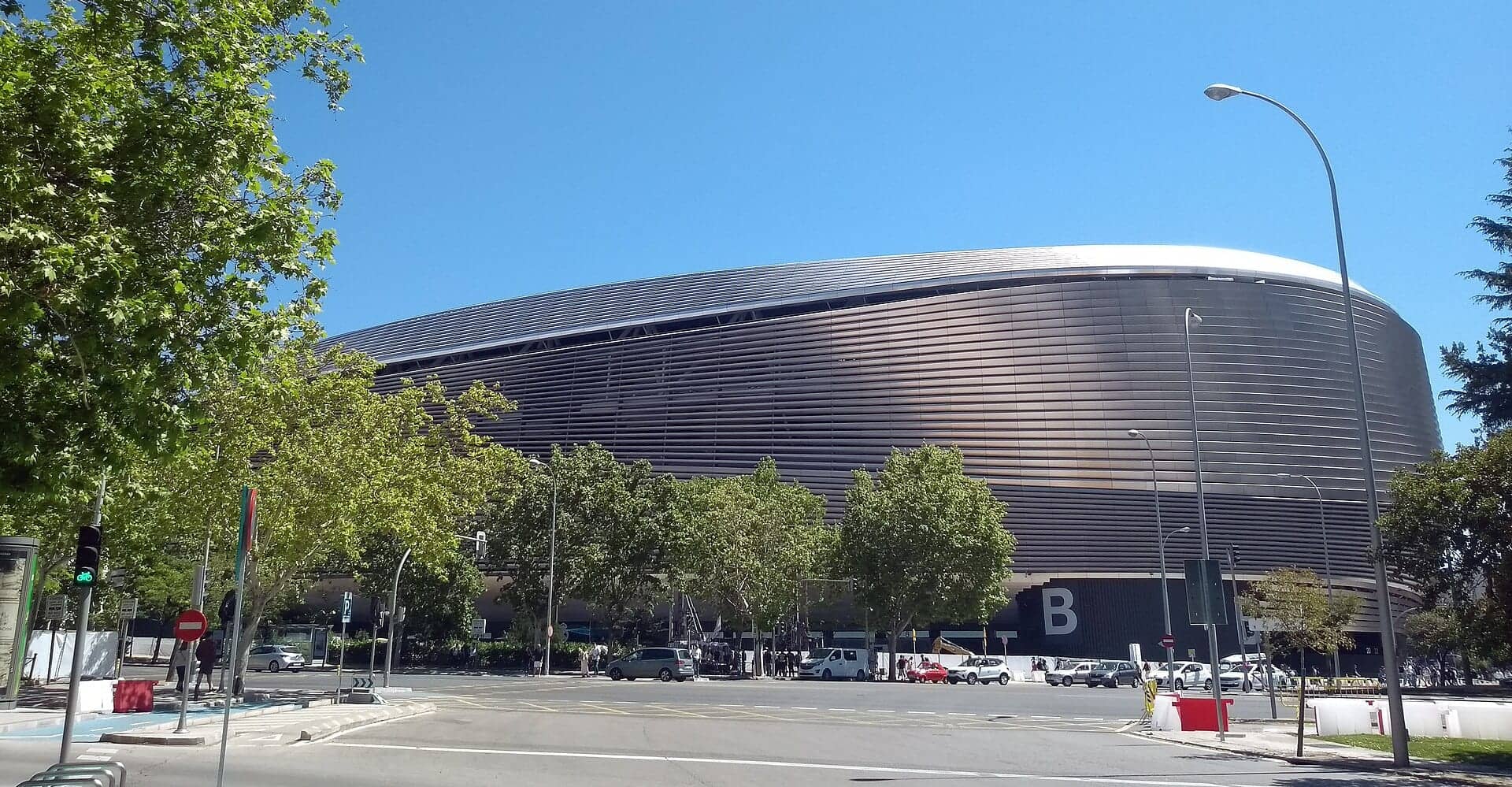
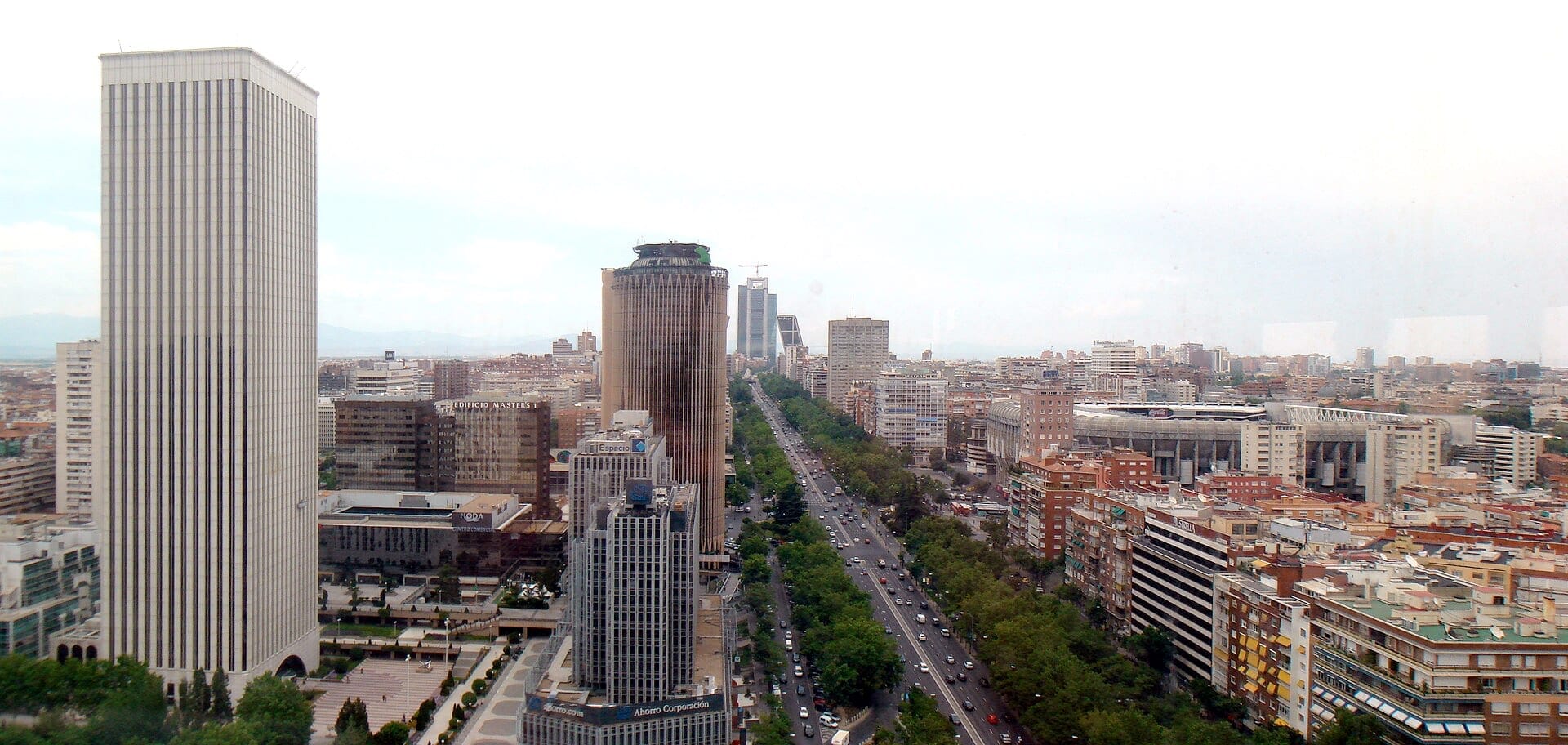
The Santiago Bernabéu is at Avenida de Concha Espina, 1, near Paseo de la Castellana. It is served by Madrid Metro Line 10 at Santiago Bernabéu station. For many people travelling from central Madrid, public transport is simpler than bringing a car to the immediate stadium perimeter.
How early should you arrive?
There is no single perfect arrival time for every event. Allow additional time for transit, security screening, locating the correct gate and potential queues. Follow the club’s match-specific communication rather than assuming the normal stadium-tour timetable also applies to matchdays.
If you are arranging a pre-match meal, choose a reservation that leaves a comfortable buffer. Restaurants near major events can be busy.
Should you drive to the Bernabéu on matchday?
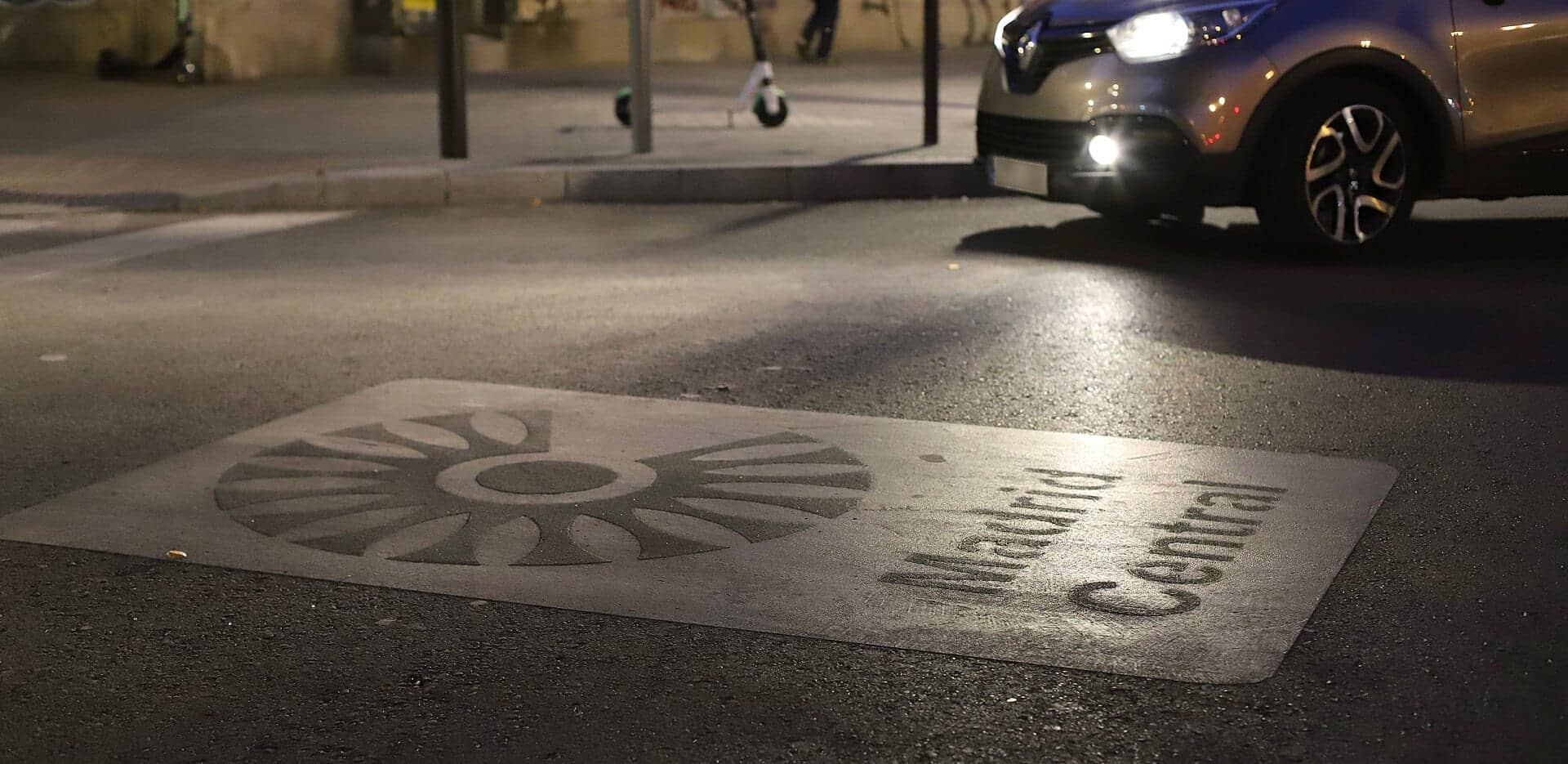
Only if it makes sense for the wider itinerary and you have an authorised parking plan. Matchday traffic management may include congestion, temporary restrictions or changes around the venue. Even when your rental car is otherwise permitted to drive in Madrid, you should not assume access to the stadium approach roads.
A practical alternative is to park legally farther away and complete the last part by public transport or on foot, or leave the car at the hotel for the match itself.
A matchday itinerary that actually works
Morning: enjoy a slow breakfast and one city activity, such as a walk around Salamanca or a museum visit. Avoid scheduling an ambitious distant excursion on the same day unless the timing genuinely permits it.
Lunch: eat well ahead of the match and keep the venue location in mind.
Before kick-off: travel using the transport option suited to the official event instructions. Arrive with enough time to handle queues calmly.
After the match: expect more people around transport exits and nearby streets. Build patience into your dinner or return plans.
Where a luxury rental adds value
A premium rental makes more sense for the rest of the Madrid weekend: airport transfers where available, shopping in Salamanca, business commitments and an excursion to Segovia or El Escorial. The car can complement a football trip without needing to be driven into the busiest matchday streets.
If you are booking a performance vehicle, also check deposit, mileage and legal parking arrangements in advance. A high-performance model is not exempt from city restrictions.
FAQs
Which metro line serves the Bernabéu?
Metro Line 10 serves Santiago Bernabéu station.
Is the Bernabéu Tour available on matchdays?
Tour access and areas can be limited on event dates. Check the official stadium-tour calendar separately from your match ticket.
Can I book parking right next to the stadium?
Availability and legal access depend on the specific event and facility. Never assume an advertised parking space guarantees an unrestricted driving route.
Is a matchday good for a supercar drive?
For driving near the stadium, usually not: traffic and crowds limit the enjoyment. Schedule a separate day for a suitable route.
Plan the rest of your Madrid trip with NoName Madrid’s rental cars, and use the general Bernabéu visitor guide for the stadium tour.
Official reference: Tourism Madrid – Bernabéu.